

Detroit Lakes Fishing Report: Extended Edition (6/15/26)
Updated: Jun 15

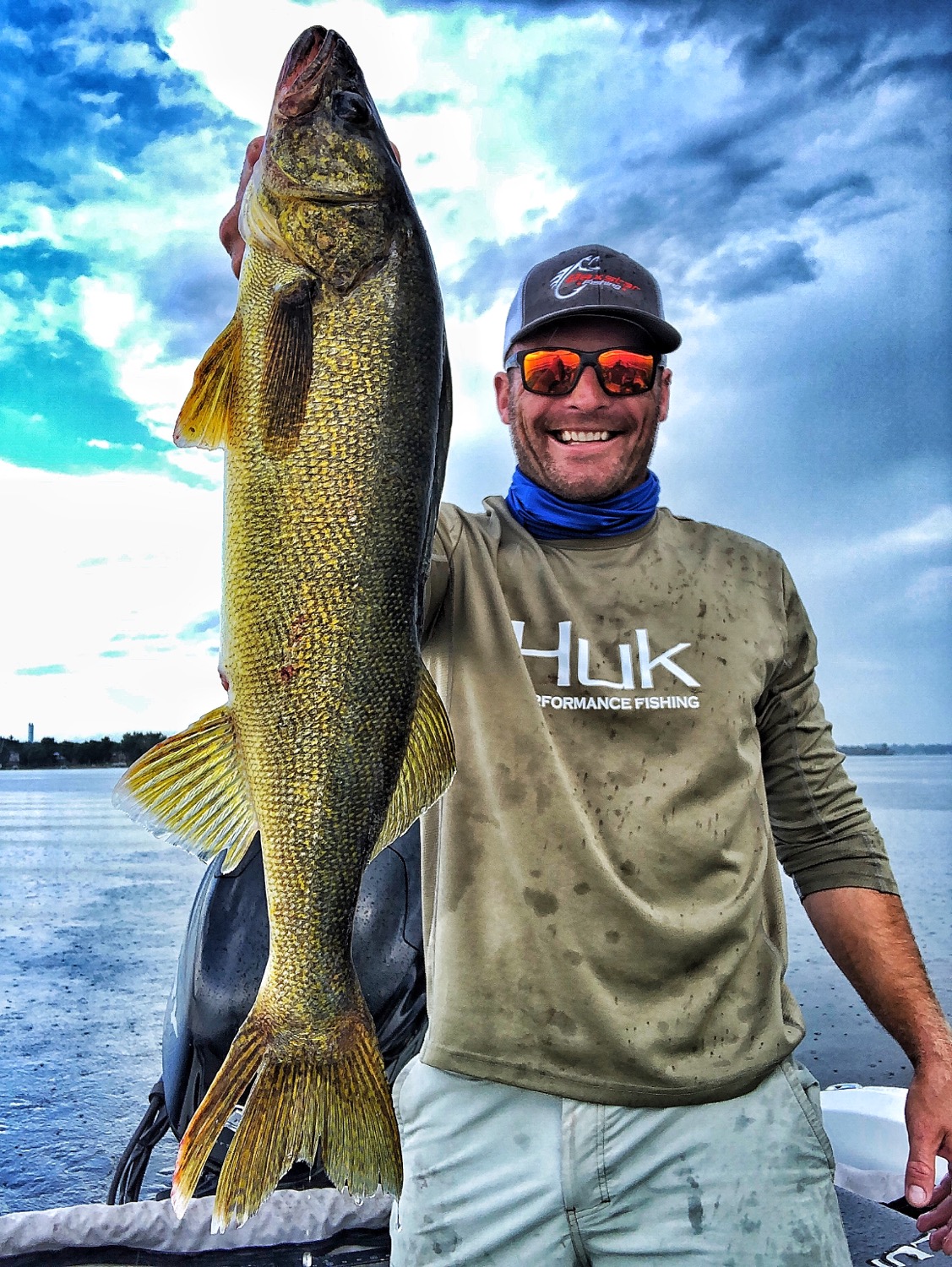
I can’t help but think of the classic Christmas cartoon song when I say “silver and gold, silver and gold, everybody wishes for silver and gold”. Remember that one? Seriously, metallic colored jigs have produced 95% of the walleye on my boat the past week. Both trolling and casting have worked equally. The depth range is wide–from 6’ to 18’. And the largest ‘eyes are trending shallower, but the ratio of rock bass to walleye is probably 10:1. I will provide two facts regarding those red-eyed devils: 1) Rock bass have firm white meat, and they are very good to eat. Period. Pride & prejudice have protected them from being harvested for decades–don’t subscribe to this discrimination. Trust the facts. 2) If you want to avoid them, stay off the bottom, no matter the depth. If trolling, utilize lighter weight or shorter casts, if casting, retrieve faster. Crawlers and small minnows are king.
Here is your extended deep dive:
I'm going to cover critical decision-making skills and how to properly set the hook and fight light-biting fish on a jig. The details matter when it comes to these subjects, so I'm doing a deep dive!
As I mentioned above, full crawlers have been key, so double the amount you buy at the bait shop. Also, grab 2-3" minnows (it doesn't matter if they are fatheads or suckers or chubs, etc.). The walleye bite is strong, but it is an extremely light bite when using a jig. The following is the most important advice I can offer walleye anglers. If you have trouble concentrating on keeping your jig line tight at all times when using a jig or Lindy rig, don’t complain. Instead, fish with a slip bobber and sit back and relax. Self-awareness is the most critical aspect of walleye fishing. Know your abilities and the level of effort you want to spend when the rod is in your hand or in a rod holder, and then adapt your presentation to meet your goal. Apply this maxim before each trip so you can prepare your gear ahead of time. Mom and dad—have slip bobbers available to your young anglers as you teach them patience. Casual anglers—choose to practice patience, or fish with a slip bobber (if trolling, use a spinner). Can you dig it?
Moving on—and to you jig anglers who want to improve—when the bite is light, do not set the hook at first bite. You will pull the bait out of the mouth of the fish. Instead, before your first cast, set your drag so it isn’t too tight, and follow these tips, in order:
Make sure your line is tight at all times (increase jig weight in windy conditions), and when you feel a peck, loosen your grip on the pole. Do not set the hook. Slowly pull your pole back while maintaining a loose grip. This is called “finding the fish,” and your focus is on the bend of the rod. If the fish pulls again, firmly pull up and back. If the rod is close to straight, reel fast until you see it bend. Most of the time, the rod will bend and the fish will start to fight. When this happens, do not start reeling. Instead, enjoy the tug while keeping your rod tip high and bent. If the rod starts to unload (straighten), it’s go time! Start reeling as you lower the rod until the bend returns. From that point on, pull the fish up while maintaining a consistent bend in the rod. Only reel when you need to lower your rod. Pull up again, reel as you lower your rod, repeat. If it pulls hard and your pole is already bent, you are about to lose a fish of a lifetime. Slowly lower your rod and point it at the fish. Then, loosen your drag until the line starts to go out. Once the fish tires out, repeat the same pull-and-reel cadence mentioned above.
This is the best way to fight a big fish, especially walleye, pike, and muskie, as they have sharp gill plates that flare up and cut fishing line. You read that right, it almost never “bites” off. If your line is cleanly cut, that means the fish turned, there was too much pressure on the line, and the sharp gill plate met the line. Use the technique above and master your drag system to increase your odds of landing “the big one.”
I hope this was helpful to you. Pass on the knowledge to your friends, and tell them to start reading this weekly report! Good luck out there and thanks for reading!!
Let's go fishing!

Nothing beats open water fishing on the Baxstar boat. Smooth, and comfortable with all the newest technology. You won't find a more equipped boat with a professional guide in the Detroit Lakes area. At the time of publication, this week is booked up, except for Saturday evening. If you've been thinking of booking, the early bird gets the worm (😉)! Book online in minutes by clicking this link --> www.baxstarfishing.com.
I hope to see YOU on the water this summer!
-Brady Baxter
Owner and Guide, Baxstar Fishing


Comments