

Detroit Lakes Fishing Report: Extended Edition (7/21/26)
Updated: Jul 28
Below is the extended edition of the Detroit Lakes Fishing Report, with more tips and
insights than you will find anywhere else online. Thanks for reading!

The bite remains strong on lakes in the 412, thanks to consistent weather. Walleyes are staging at a range of depths, and remember they can be anywhere. Anglers often focus deep this time of year, but schools can be shallow. Every lake is different. (A quick FYI, this report is focused on walleye and forward facing sonar. I will get back to balanced reporting on all species next week.)
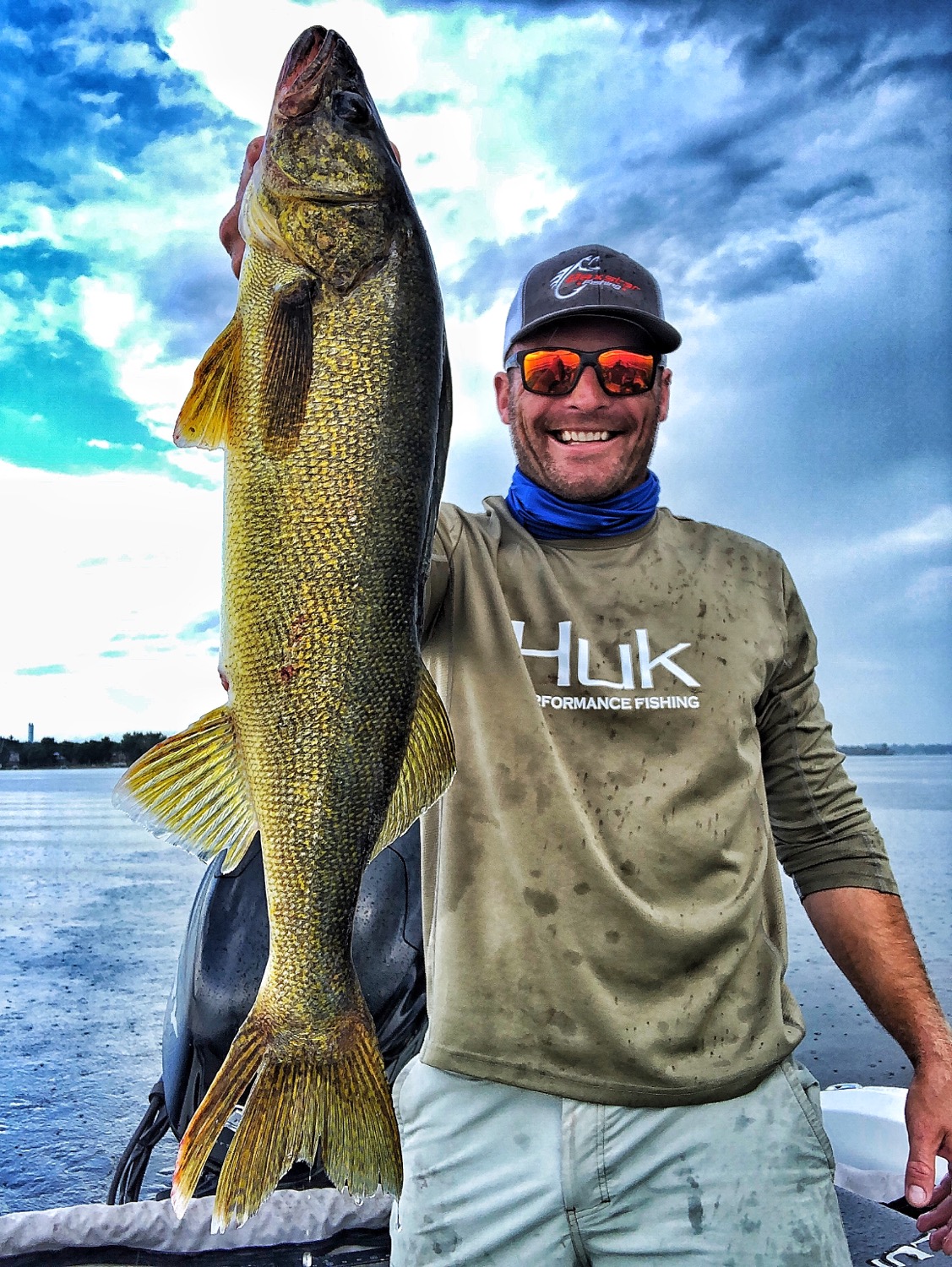
On Detroit, we’re catching ’eyes in 8’–16’ near shallow weedlines. On Pelican, we’re finding them along deep weed edges in 22’–25’. With forward-facing sonar (FFS), these “wolf packs” of four to six walleyes stick out beside the last strands of a weedline. Want to get more comfortable with FFS? Pelican and similar lakes are serving up lessons on a silver platter. Learn more below!
Here’s the bigger lesson: FFS doesn’t have to mean burning through your trolling motor battery, staring at a screen, making only a handful of casts, and feeling exhausted afterward. That hunting style has its place in tournaments, and it can be the thrill of a lifetime. But it isn’t the only way to use FFS.
For a more accessible starting point, target deep weedlines from now through September. Go to high probability spot and troll around a little bit. If you don't see anything after a a couple minutes, move. Spot a wolf pack at the edge of the weeds? Drop the trolling motor and cast to them with purpose. Don't be fooled. The marks may look very small. The distinguishing factor is the number of fish in a relatively small pack. Those are not sunfish, or any other fish. The wolf packs are walleyes. Let the electronics guide your fishing instead of becoming the fishing. You’ll learn how fish relate to cover and react—while actually fishing. That’s a better introduction for anyone wondering why they spent $3,000 on electronics only to struggle day after day. Once you learn how to spot and stop, you can start using your FFS to track your line and bait, but remember: walk, don't run. Master each step, one at a time.
As you are fishing, look around. The other day, I watched a muskie jump in front of me, start to finish. Last year, I saw a little pike jump straight up and fall straight back down. Picture that. So funny! I’m smiling as I type this. Then there are the baby ducks following momma, which will melt your heart—and possibly give you lake itch, I know.
FFS can reveal the great unknown below the boat without controlling the experience. Sometimes the best part is being surprised by a bite. Use the screen to make fishing better, and remember to look up.
For aspiring tournament angler/hunters, spend the money on THU from Tom Huynh. First, you are supporting a good person who genuinely cares about your success. He also happens to be the best walleye angler in Wolverton, MN... and the entire country! 🤣 His lessons can save you hundreds of hours—and keep you from casting at bigmouth buffalo all day on Pelican. If you know, you know, and it couldn’t be more true! 😀 Good luck, and post those pictures. We all want to see them!
For everyone else, start with the weedlines, take some pressure off, and have fun learning. I’ve shown you the door. If you want the key, the final pieces are easier to demonstrate from my boat than explain here. A day in my boat can turn FFS from a $3,000 frustration into a useful tool. The monsters will still be there tomorrow.
🔐 Let me give you the key to unlock the door. 🎣
Let's go fishing! Click here to book.


Comments